
Your floors are your home’s foundation, and proper care significantly extends their smoothness and shine. Most of us may not even realize that floor maintenance habits differ depending on the time of year.
Upkeep of floors during the spring and summer requires different techniques than how you would maintain them during the winter months.
While it may seem like a hassle and unnecessary additional work, proper floor maintenance throughout the seasonal changes means decades of sleek floors that will look as fresh as they did the day they were installed.
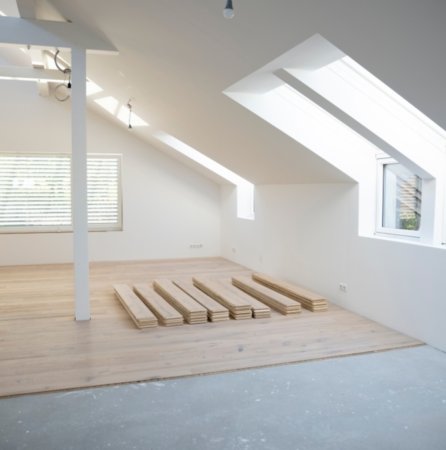
How To Protect Your Floors All Year Round
Several environmental factors in the winter and summertime can harm your hardwood floors. It is essential to keep up with proper maintenance all year round. Here are some tips and tricks to keep your floors sturdy and resistant to seasonal changes.
Summertime Tips
During the summer months, UV rays from the sun are the strongest, and exposure to sunlight can hinder hardwood floor conditions. When sunlight comes through the windows of our homes and has contact with the floors, the rays can bleach the floorboards or cause them to fade over time.
To protect your floors from fading or bleaching, it is best to install blinds, curtains, and other window coverings that could be utilized during the summer to prevent sunlight from hitting the floors during the day.
The warmer temperatures during the summer months can also affect your floors. As temperatures rise, so do humidity levels.
When it becomes too humid indoors, hardwood floorboards can expand and crack.
It is important to maintain indoor humidity levels by utilizing air conditioners and fans to keep your home nice and cool.
Wintertime Tips
As summer transitions to fall and fall transitions to winter, temperatures begin to plummet. Just like higher humidity levels can impact floors during the summer, lower humidity, and cold air have a similar effect.
During the winter, cold air that seeps inside can dry out the wood, causing gaps to form between the boards.
With proper indoor air maintenance, such as the use of a humidifier, floors will be less likely to suffer damage inflicted by cold air.
If you live in an area where snowfall and ice storms are common in the wintertime, you likely use salt to dissolve the ice on your porch and driveway. While it certainly helps to melt ice patches and prevent you from tripping, tracking salt and ice particles inside onto your hardwood floors can leave stains and residue behind that is nearly impossible to remove.
To protect your floors from salt and ice residue, you may want to invest in floor mats that can be placed by the front doors to keep dirt, snow, salt, and sand from being tracked into the house.
The mats soak up the melted ice and salt and keep them from seeping into your floorboards.
While floor maintenance tips for summer and winter vary, one important tip you should always stay on top of is vacuuming and cleaning your floors regularly, at least once a week to ensure that they remain in the best condition all year round.
