When Long Island homeowners want flooring with a natural look, the beauty of hardwood often comes to mind. The available choices are solid hardwood or engineered hardwood flooring. Let’s talk about the differences and how to make the best choice for you.
Both types of wood look the same, but they are different underneath the surface. Engineered hardwood is typically made up of a top layer of prefinished or unfinished hardwood veneer, which sits over plywood, birch or spruce. Solid hardwood flooring is made of a single piece of premium hardwood that is classy and beautiful.
Features of Engineered Hardwood
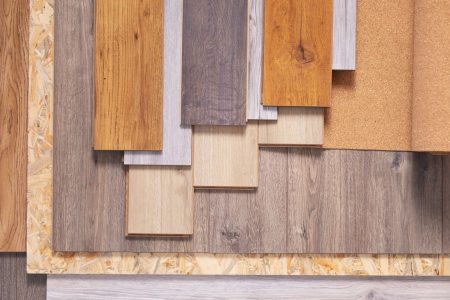
This popular alternative to hardwood is known for its durability, stability and resistance to dents and scratches. It’s often less expensive than solid hardwood flooring, which makes it a good option for those who have a limited budget. Engineered hardwood is moisture-resistant, easy to install, and typically lasts 20 to 30 years. It’s also environmentally friendly and can be recycled after its lifespan.
Engineered hardwood can only be refinished a few times before it needs to be replaced. Many inexpensive engineered floors have a very thin wood veneer and don’t last as long. While the material is made with real wood veneer, it may not look as nice as solid wood.
Solid Hardwood Pros and Cons
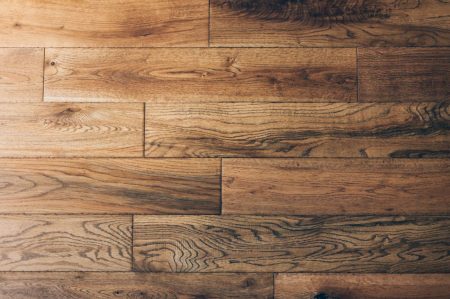
Solid hardwood flooring has an authentic appearance and can add significant value to your home. Hardwood can be sanded and refinished multiple times, and the color of the stain can be changed as well to give the wood a new look . If it’s well taken care of, a solid hardwood floor can outlast you and your home.
On the flip side, solid hardwood flooring often costs more than engineered hardwood. It’s also susceptible to moisture which can result in the wood shrinking, buckling and swelling. Installation can be complicated and time-consuming, and is best left to a professional.
How to Choose
The choice you make ultimately comes down to how much you want to spend and design preferences. Engineered hardwood is best for people on a budget who want moisture-resistant flooring. Solid hardwood flooring is a great choice if you want a traditional, timeless, authentic look that will last up to 100 years. Another factor worth noting is engineered hardwood is always in style and improves resale value as much as hardwood does. Both types of flooring are an excellent investment.
One Last Consideration: The Noise Factor
Before you make a purchase, consider the noise level differences between the two types of wood.
Engineered hardwood has a more hollow sound than solid wood does. The material doesn’t absorb sound as well, especially if you opt for a floating installation.
Solid Hardwood has better acoustic properties. Its thickness absorbs reverberation, while its hardness evenly distributes the sound around the room. Dense hardwoods like oak, maple and cherry work the best.
Need help with your Long Island hardwood flooring installation? E_M Custom Flooring & Installation offers complete in-house project management and installation services. Our fully trained, dedicated Long Island flooring specialists will help ensure you receive optimal, finished results. Contact us today to get started.
